
Aspects of Pranayama

Pranayama is the pause between the body and mind.
Pranayama is not deep breathing, not breath control, not forceful inhalation or retention. It begins when effort softens and awareness becomes primary.
Pranayama means the expansion and refinement of prana—the subtle life force that moves through breath. Breath is the doorway. Prana is the experience.
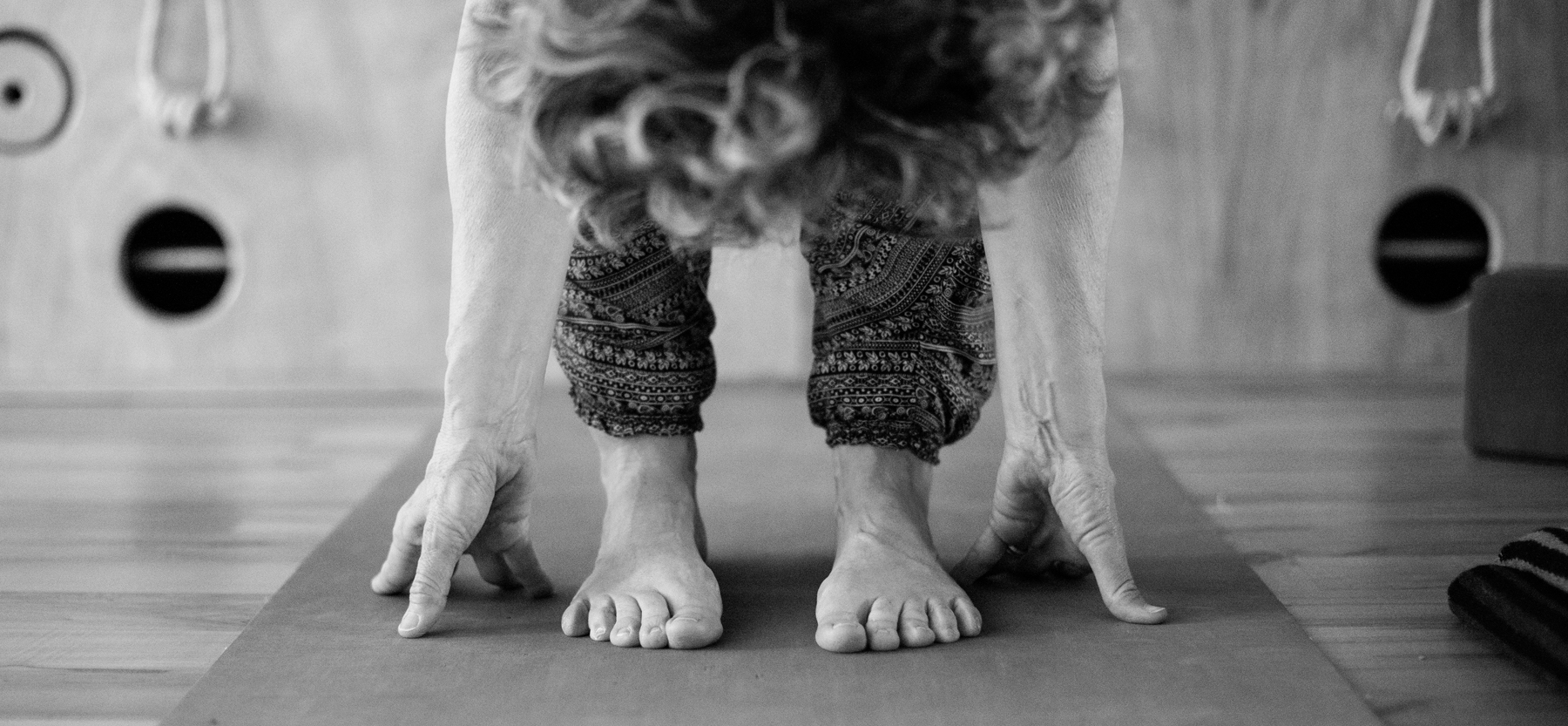
Why asana comes first: if the body is restless, the breath cannot become subtle. Asana prepares the body so the breath can move freely without resistance or strain.
Breath and mind move together: When the breath is agitated the mind follows. When the breath becomes calm, the mind naturally follows.
From Effort to Awareness: Pranayama is not about controlling breath, but listening to it. With patience, breath lengthens, softens, and begins to guide awareness inward.
Preparation for Stillness: As breath becomes subtle sensory pull weakens and attention gathers within. Pranayama prepares the mind for withdrawal and meditation.
The Inner Turn: Breath is not practiced to gain power. It is refined to dissolve disturbance.

In Patanjali’s Yoga Sutra, the eightfold path is called ashtanga, which literally means “eight limbs” (ashta=eight, anga=limb). These eight steps basically act as guidelines on how to live a meaningful and purposeful life. They serve as a prescription for moral and ethical conduct and self-discipline; they direct attention toward one’s health; and they help us to acknowledge the spiritual aspects of our nature.
Yamas – Restraints
Ahimsa -non-harming
Satya – non-falsehood
Asteya – non-stealing
Brahmacharya – non-indulgence
Aparigraha – non-possessiveness
Niyama – Observances
Saucha – purity/cleaniness
Santosa – contentment
Tapas – discipline/heat
Svadhyaya – study/reflection
Isvara pranidhana – devotion to the lord(aspirations)
Asana – Posture
Pranayama – Breath Control
Pratyahara – Sense Control
Dharana – Awareness
Dhyana – Attention
Samadhi – Communion/Absorption/ Stillness